


%201.jpg)
How to Use Instagram Reels to Promote Your Tourism Business
Imagine turning a 15-second clip into a week’s worth of bookings.
That’s the power of Instagram Reels.
This short-form video feature helps tourism businesses attract more followers through visual storytelling and inspires travelers to book trips through immersive video content. With the right strategy, your Reels can transform curiosity into clicks, and clicks into paying customers.
In this article, we’ll walk you through how to create and optimize Instagram Reels that drive engagement, increase bookings, and build your brand in the travel and tourism space
Why Instagram Reels Matter for Tourism Marketing
Video rules social media, and Instagram Reels leads the way. With over 1 billion users, Instagram gives tourism brands a massive reach.
Reels boost engagement rates compared to static photo posts, so your clips attract more attention and drive more action.
For travel, Instagram Reels showcases destinations and travel experiences in short, engaging videos that spark wanderlust and nudge viewers to book. It helps differentiate your tourism brand in a crowded market.
Reels vs. Stories and Posts: Key Differences
Reels, Stories, and Posts each play a role, but Reels win in terms of visibility and discoverability. Instagram Reels increases brand visibility on Instagram’s Explore page, which puts you in front of people beyond your followers. Reels also outlast Stories, which vanish in 24 hours.
Use each format smartly:
- Posts: Polished photos of destinations or services.
- Stories: Real-time updates and behind-the-scenes moments.
- Reels: promotes tour packages, hotels, or travel deals creatively with engaging, shareable video.
Balancing all three formats can help you maintain a well-rounded presence on Instagram, maximizing reach and engagement across different audience segments.
How to Set Up a Reels Strategy for Your Tourism Brand
Creating a successful Reels strategy for your tourism brand requires more than just posting random videos. It’s about having a clear, intentional plan that aligns with your goals and audience.
Here’s how to get started:
Defining Goals and Target Audiences
Choose one primary goal, such as more bookings, plus two support goals like engagement and follower growth.
Define your audience by trip type, age, and motivations, and note any concerns, such as price or safety. Map those goals to content with 15–30 second videos that showcase the tour, present simple pricing, and end with a clear CTA to book.
When your goals and audience align, your marketing lands.
Establishing a Visual and Storytelling Style
Create a tight style guide for your brand.
Lock colors, tone, and a story order: hook → hero scene → close-up → CTA.
Keep storytelling human with real people, destination names, and on-screen details. Use the same look across Posts, Stories, and Reels to keep your account recognizable.
Planning a Consistent Posting Schedule
Consistency wins.
Post on a schedule your team can sustain, so your brand stays top-of-mind and your Reels appear more often on Explore. Batch content, then stick to your cadence.
Review analytics weekly—reach, views, and engagement—and adjust what you film, edit, and publish. Over time, that steady rhythm signals the algorithm, warms your community, and turns attention into bookings.
For a refresher on setting up your profile and optimizing posts, check out our Instagram Essentials: A Quick Guide for Tour and Activity Companies.
How to Build a Content Plan for Tourism Reels
Build your content by mixing variety with consistency. Combine storytelling with promotion, highlight real travel experiences, and keep every Reel clear, short, and easy to watch from start to finish.
Showcasing Destinations and Experiences
Highlight the key destinations you offer, whether it’s a breathtaking hiking trail or a secluded beach. Reels are the perfect format to give potential travelers a quick, immersive taste of what they can expect.
Featuring Behind-the-Scenes Tour Moments
Travelers love peeking behind the curtain. Film prep, safety briefings, and your crew in action. Reels builds brand authenticity through behind-the-scenes storytelling, helping viewers trust your team and process. This can make your operations feel approachable, human, and worth experiencing from start to finish.
Highlighting Customer Testimonials and Travel Tips
Share testimonials and quick travel tips from real guests. Feature their smiles, quotes, and favorite moments. Reels helps businesses connect emotionally with potential travelers, building credibility, sparking trust, and nudging viewers closer to planning, saving, and booking.
Using Trending Music and Hashtags Effectively
One of the easiest ways to boost your visibility on Instagram is by using trending music and hashtags. Music is a major part of what makes Reels enjoyable and shareable. Enhance discoverability with trending sounds and hashtags by pairing clips with on-trend audio and precise travel tags.
Reels Optimization Tips to Get Discovered
Creating great content is just the first step. Getting it seen is the next challenge. Here’s how to optimize your Reels for maximum reach and engagement:
Writing Captivating Captions and Calls to Action
Lead with action in every caption. Give a clear CTA: “Book now,” “See tour times,” “Message us for dates,” or “Share this reel with a friend.” Ask a question to spark comments and boost engagement.
Don’t forget to use hashtags that are relevant to the tourism industry, including niche travel keywords. Incorporate location tags to make your content more relevant to travelers interested in specific destinations.
Leveraging Location Tags and Travel Keywords
Including location tags and travel keywords in your Reels will make your content more likely to appear in searches from travelers interested in those places or activities. These tags increase your discoverability and attract the right audience.
Collaborating with Travel Influencers and Partners
Expand your reach through travel influencers and partner brands. They introduce your Reels to new audiences while gaining high-quality content to share. This two-way value exchange builds trust fast and turns views into followers, and followers into bookings.
How to Turn Reels Engagement into Bookings and Sales
Once you’ve captured your audience’s attention with engaging Reels, it’s time to convert that engagement into business results. Here’s how:
Promoting Special Offers and Packages
Use Reels to spotlight time-limited deals and bundle offers. Show the value in 15–30 seconds, tour highlights, inclusions, and price, then end with “Book today” and a clear next step.
Crafting Compelling "Calls to Action" (CTAs)
Tell viewers exactly what to do and why now: “Book your Saturday slot,” “Message us for dates,” “Tap our bio link.” Keep one CTA per Reel to focus attention and drive clicks.
Encouraging User-Generated Reels from Travelers
Invite guests to share their moments, tag your account, and use a branded hashtag. Reshare the best clips to build community and social proof. Offer small perks (e.g., a discount or shoutout) to spark more UGC.
Linking Reels to Booking Pages or Website Content
Point viewers to your booking page in the caption and profile link. Use Link stickers in Stories that support each Reel. Add UTM tags to track traffic and conversions, and refine what you post next.
Once you start turning engagement into real bookings, managing them efficiently is key. Tools like Peek Pro simplify online reservations, waivers, and payments so you can focus on growing your tourism business.
How to Measure and Improve Your Tourism Reels Strategy
Tracking performance is crucial to refining your strategy and improving future content. Here’s how to measure success:
Tracking Views, Shares, and Engagement Rates
Use Instagram analytics to see who watches, shares, and interacts with Reel. Tracking these signals shows what captures attention and what falls flat, so you can repeat winners, trim weak spots, and create content that resonates with your audience.
Analyzing Follower Growth and Reach Metrics
Measure how Reels drive follower growth and widen reach. This gives you a clear view of performance and whether your content moves the needle.
Refining Content Based on Data Insights
Use analytics data to refine content every week. Test new hooks, captions, and CTAs to learn what drives the most engagement and turns interest into bookings quickly.
Future Outlook: The Evolution of Instagram Reels in Tourism Marketing
Short-form video keeps evolving, and Instagram Reels will only grow in tourism marketing. Here’s what savvy operators should watch:
The Growing Role of Short-Form Video in Tourism
As Instagram Reels become more popular, short-form video will take an even bigger role in tourism marketing. Travelers will turn to Reels for inspiration and practical insights into planning their next trip decisions.
Integration of AI and AR in Social Media Marketing
The future of Reels could see the integration of AI and AR (augmented reality) to deliver more immersive, personalized travel experiences that match each viewer’s interests and intent.
Expanding Opportunities Through Cross-Platform Promotion
Expect to see Instagram Reels integrated across more platforms, letting you reach travelers everywhere. Cross-platform campaigns expand visibility, compound impressions, and unlock new audiences without recreating content.
Key Takeaways
- Instagram Reels boost tourism marketing by turning short, immersive videos into tools that grow engagement, visibility, and bookings.
- A clear strategy with consistent goals, visuals, and posting habits builds trust, strengthens brand identity, and connects content to the right audience.
- Optimization and data tracking through trends, CTAs, influencer partnerships, and analytics refine performance, expand reach, and turn views into customers.
Frequently Asked Questions
How Often Should Tourism Businesses Post Reels?
Consistently posting Reels is key to maintaining engagement. Aim for 3-5 Reels per week, depending on your resources and content quality.
What Types of Travel Content Perform Best on Reels?
The best-performing Reels highlight destinations, real guest experiences, and behind-the-scenes moments that show your team in action. Clips that stir emotion and spark wanderlust get shared the most.
Should I Run Instagram Reels Ads to Promote My Tourism Business?
Yes, Instagram Reels Ads can amplify your organic reach, especially when targeting a specific audience or promoting special offers.

Customer Personas in Travel Marketing: A Guide for Tour & Activity Operators
Every traveler has a story. Some book for adrenaline-fueled adventures, others for slow cultural immersion, and many for creating family memories. Personas bring these motivations to life. For tour and activity operators, understanding these different motivations is the key to filling seats, boosting reviews, and increasing repeat business.
Customer personas help operators move beyond broad demographics like “families” or “millennials” and instead build vivid profiles of the actual people behind their bookings. With the right personas, operators can define their most valuable guest segments, tailor experiences to their needs, and leverage smarter marketing strategies to maximize ROI.
Why Customer Personas Matter in Tours & Activities
A customer persona is a semi-fictional profile built from real customer data. For travel businesses, personas typically combine:
- Demographics: age, income, family status, and location.
- Psychographics: motivations, fears, values (e.g., sustainability, family bonding, thrill-seeking).
- Behaviors: booking channels, research habits, and decision triggers.
So, for example, a “Family Traveler” persona might be a 42-year-old parent booking kid-friendly tours months in advance, while an “Adventure Seeker” persona could be a 27-year-old who books last-minute via mobile.
How Personas Drive Booking & Growth
Effective personas help operators target the right travelers, analyze behaviors, and design offers that boost conversions. By aligning marketing spend with guest motivations, such as safety for families or sustainability for eco-travelers, operators can improve ROI, reduce wasted effort, and enhance overall satisfaction.
Key Types of Travel Persona Segments Tour Operators Should Know
Not all travelers book for the same reasons. By profiling common customer segments, tour operators can identify what drives each group and design marketing that speaks directly to them.
Adventure Seekers & Thrill‑Lovers
These travelers crave adrenaline and unique stories to share online. They’re usually younger (18–35), spontaneous, and mobile-first. Marketing messages that emphasize excitement, exclusivity, and brag-worthy moments resonate strongly. Offering social media-friendly experiences and seamless mobile booking helps convert them quickly.
Family Travelers
Family personas value safety, kid-friendly activities, and hassle-free planning. They tend to book well in advance and respond to clear communication about inclusions, flexibility, and family discounts. Highlighting features like expert guides, safety measures, or bundled packages is essential for earning their trust.
Culture & Relaxation Seekers (Slow Travel), Eco‑Tourists, and Experience Seekers
This segment looks for authenticity, sustainability, and depth. They conduct thorough research before booking, paying close attention to certifications, storytelling, and local immersion. Operators can communicate their values by showcasing eco-friendly practices or partnerships with local communities.
Solo Travelers & Small Groups
Solo travelers often seek independence, while small groups look for intimate experiences. Both value flexibility, transparent pricing, and trust-building content, such as testimonials. Highlighting social opportunities, transparent cancellation policies, and late booking options makes these personas more likely to convert.
How to Build Your Detailed Customer Personas
To make personas actionable, you need more than demographics. The process involves research into customer patterns, interpreting psychographics, and refining profiles with ongoing feedback.
Start with Existing Customers & Data
Your best personas come from the customers you already serve. Peek Pro makes it simple to transform raw booking data into actionable insights. With features like abandoned booking recovery, dynamic pricing, and add-on bundles, operators can grow revenue by an average of 30% while analyzing guest behavior more effectively.
Incorporate Psychographics & Behavior
Don’t stop at age or location. Study motivations, frustrations, and buying triggers. For instance, families may fear hidden costs, while eco-tourists might need proof of sustainable practices. Social listening, guest surveys, and reviews enable operators to interpret these signals effectively.
Validate & Refine Personas
Personas aren’t static. Run A/B tests on subject lines or offers, monitor booking funnels, and regularly refine profiles based on new data.
How to Apply Personas to Your Marketing Strategy
Knowing your personas is just the first step. The next step is turning those insights into action. This means designing campaigns, offers, and follow-ups that directly communicate with each traveler type.
Messaging & Content That Resonates
Tailor copy, visuals, and offers to each persona. For example, adventure seekers respond to bold visuals and energetic copy that promise excitement. Solo travelers look for clarity, affordability, and reassurance. Highlighting flexible options and budget-friendly strategies helps build trust while speaking directly to what each persona values.
Channel Strategy: Where to Reach Each Persona
- Email: best for planners and families who prefer detailed itineraries.
- Social media: ideal for Adventure Seekers seeking inspiration.
- Search ads & OTAs: high-intent channels for last-minute bookers.
Product & Experience Design Based on Persona Insights
Designing tours with personas in mind means adding flexibility, personalization, and convenience. Peek Pro supports this with features such as pre-arrival customer portals, self-service check-in, and dynamic pricing to match demand. Operators can design experiences that reduce friction, encourage add-ons, and boost satisfaction.
Personalized Follow‑Up & Retention
After tours, send targeted follow-ups, such as review requests, loyalty discounts, or rebooking offers tailored to each persona’s interests. Automating these processes ensures operators connect with guests long after the tour ends.
Challenges & Mistakes to Avoid While Building Customer Personas
Even the best strategies can fall short if personas are built on assumptions. By researching proven missteps and learning from past mistakes, operators can keep their personas actionable and effective.
Assuming Everyone Is Your Customer
When you try to market to everyone, your messaging becomes vague and fails to resonate with anyone. Instead, define clear personas so your campaigns speak directly to the travelers most likely to book.
Over‑Segmenting or Too Many Personas
If you try to cater to ten different traveler types, your marketing loses focus and consistency. Creating too many personas can overwhelm your resources. Start small: 1 to 3 well-researched personas are easier to manage and communicate across your team.
Not Using Data to Validate or Update Personas
Without ongoing validation, through booking data, reviews, or campaign performance, you risk marketing to profiles that no longer reflect your guests. Make it a habit to research, test, and refine personas regularly so they remain accurate and actionable.
Key Takeaways
- Customer personas help operators define, target, and personalize marketing strategies, driving stronger bookings and guest loyalty.
- Personas require real data (booking trends, guest feedback, and analytics) to analyze and validate over time.
- Applying personas to messaging, channels, and experiences ensures higher ROI and long-term customer connections.
Frequently Asked Questions
How many customer personas should a tour operator create?
Tour operators should create 1 to 3 core customer personas to maintain focus and consistency. This number allows for effective targeting without overwhelming resources. Each persona should be based on real customer data and represent the most valuable and distinct guest segments.
Can customer personas help improve online booking conversion?
Yes. Customer personas improve online booking conversion by aligning marketing messages with traveler motivations. For example, family-focused ads with clear kid-friendly inclusions convert better than generic promotions. Tailored messaging and offers reduce friction and boost the likelihood of bookings across digital channels.
How often should personas be reviewed or updated?
Review and update customer personas at least every 6 to 12 months or whenever new booking trends, feedback, or campaign data emerge. Regular updates ensure personas remain accurate, actionable, and aligned with evolving traveler behaviors.

How to Build a Memorable Tour Operator Brand: Strategies for Operators
When people choose a tour, they are looking for more than just an itinerary. They want a memory they will remember for years. What turns a single booking into a loyal customer is not only the tour itself but the brand behind it. A strong, memorable brand helps you connect with your audience, build trust, and encourage guests to return. Every interaction, from the moment someone visits your website to the follow-up after the tour, shapes how your brand is remembered.
This guide will walk you through both the foundational steps and advanced strategies for building a tour operator brand that sticks in your customers’ minds. You will learn how to understand your target audience, define your brand identity, and use modern branding tools like Peek Pro to develop a brand that drives growth, boosts engagement, and builds long-term loyalty.
What Makes a Brand Memorable in the Tour Industry
A memorable brand captures attention, creates an emotional connection, and leaves a lasting impression on your audience. It builds trust, encourages repeat bookings, and turns first-time guests into loyal customers.
In the travel industry, your brand is part of the experience itself, shaping how guests perceive every interaction, from discovering your tours online to the memories they take home.
Know Your Ideal Traveller & Their Emotional Triggers
To create a brand that connects, you need to identify your ideal audience. Are they eco-conscious millennials seeking sustainable adventures, luxury retirees valuing comfort and exclusivity, or families looking for memorable experiences?
Understanding these emotional triggers lets you develop messaging, visuals, and experiences that resonate, build trust, encourage repeat bookings, and foster long-term loyalty. Check out our article on Customer Personas in Travel Marketing for more guidance.
Brand Personality, Story, Voice & Visual Identity
Your brand’s tone and style shape how customers perceive your company and build recognition. Define a clear personality, such as fun, sophisticated, or approachable, and keep your voice consistent across your website, emails, and social media, with messaging focused on the guest experience.
Your visual identity should convey your brand’s emotion through recognizable logos, colours, fonts, and imagery, with small touches like a consistent photo style or branded maps. Share your mission, values, or history through storytelling in marketing and on-tour experiences, and keep messaging guest-focused to communicate your brand clearly.
Key Elements of Branding that Tour Operators Often Overlook
Guests experience your brand in every detail, not just your logo. Every interaction, from booking to on-tour experiences and post-tour follow-ups, shapes how your audience perceives your company. Focusing solely on visuals can overlook opportunities to establish trust, reinforce your brand, and foster repeat bookings and long-term loyalty.
Guest Experience Touchpoints (Online + In Person)
Every guest interaction, from emails and booking confirmations to signage and guide scripts, reflects your brand. Consistency builds trust, reinforces recognition, and encourages repeat bookings, helping guests feel confident and connected throughout their experience.
For tips on crafting effective customer emails that reinforce your brand, see How to Send Customer Emails That Boost Your Brand.
Consistency Across Channels & Collaterals
Your brand identity should be consistent across all channels, including brochures, emails, website copy, social media, and uniforms. Consistency makes your brand recognizable, builds credibility, and ensures every touchpoint reflects the experience you want guests to have.
Using Technology to Reinforce Brand
Technology helps maintain a consistent brand experience from initial interest to post-tour follow-up. Tools like Peek Pro’s branded booking portals, automated emails, and digital waivers allow you to strengthen your brand identity while simplifying operations. Automating these interactions ensures guests encounter consistent messaging, visuals, and tone at every step, building trust and loyalty.
Branding Tactics that Drive Bookings & Referrals
Now that you’ve established a strong brand, it’s time to focus on strategies that increase awareness, attract more guests, and encourage word-of-mouth referrals. These tactics help your tour operator brand stay top-of-mind, build trust, and drive repeat bookings.
Storytelling & Content Marketing
Storytelling is one of the most powerful ways to engage your audience. Share behind-the-scenes content, customer stories, and short-form videos to humanize your brand and create emotional connections. Videos and authentic narratives have a strong impact on engagement, helping potential customers see themselves in your experiences.
Learn more about using storytelling effectively in our article on Influencer Marketing for Tour Businesses.
Partnerships, Reseller Channels & OTAs
Selling your tours via third-party platforms or partnerships can reach a wider audience, but it can also dilute your brand if not managed carefully. Ensure that product descriptions, confirmation emails, and any messaging consistently reflect your brand voice. Maintaining this consistency ensures that your audience experiences the same trusted and recognizable brand, regardless of where they book.
Local Community & Experience Integration
Tying your brand to local culture, food, and events adds authenticity and regional appeal. Tours that highlight the community create memorable experiences and reinforce your brand story. Guests are more likely to remember and recommend your company when your brand values are reflected in the experiences they enjoy.
Brand Maintenance: How to Keep Your Tour Brand Strong Over Time
Strong tour operator brands grow and adapt as your business and audience evolve. The most successful brands maintain their core identity while updating visuals, messaging, and experiences to stay relevant and meaningful to their customers.
Collect Feedback, Monitor Reputation & Adjust
Reviews and feedback loops are essential to refine your brand messaging and guest experience. Regularly monitoring your reputation and engagement metrics allows you to adjust your strategy, address concerns, and stay ahead of the competition.
Refresh Visual Identity & Messaging Without Losing Recognition
A brand refresh allows your business to evolve without confusing customers. Small changes to visuals, colours, or tone strengthen your brand while keeping it recognizable.
Scalability: Managing Multiple Tour Types or Locations
Expanding into new offerings or destinations can challenge brand consistency. It’s important to align new tours with your core brand values so that all locations and experiences maintain a unified identity, strengthening recognition and trust with your audience.
Key Takeaways
- Understand your audience and define a brand identity that builds trust and memorable experiences.
- Maintain consistency across all touchpoints, from booking to post-tour communications.
- Boost growth and loyalty with storytelling, partnerships, local experiences, and ongoing brand updates.
Frequently Asked Questions (FAQs)
How long does it take for a tour operator brand to become memorable?
Brand memorability relies on consistent messaging, guest experience, and visibility. With regular engagement, a brand can start gaining traction within a few months. Patience and using feedback to refine your approach are key.
What are the most effective visuals & branding elements for tour operators?
High-impact branding elements include your logo, website design, and guide uniforms, along with branded waivers or social media visuals. Consistency across both digital and physical touchpoints is essential to reinforce your brand. Peek Pro’s branded booking portals and guest emails can help reinforce your brand.
How can I use guest reviews and feedback to boost my brand?
Positive reviews are valuable assets for building a brand. Feature testimonials in your marketing materials to showcase credibility and highlight the guest experience. Use recurring feedback to refine your tours and services, ensuring your brand continues to meet customer expectations and strengthens trust.
%20in%20Tourism.png)
Importance of Online Reputation Management (ORM) in Tourism: 7 Reasons You Should Focus on ORM
One bad review can sink a booking. In the tourism industry, your online reputation can determine whether your season sells out or struggles to fill spots. For that reason, online reputation management goes beyond marketing. It is survival.
ORM is the process of monitoring and improving what guests say about your business on review platforms, social media, and other digital channels. For tour operators, hotels, and other businesses in the hospitality industry, strong ORM leads to trust, credibility, and more bookings.
In this guide, we will cover seven reasons why ORM should be a top priority for your brand and how it directly impacts your customer satisfaction, guest experience, and long-term success.
1. Influence of Customer Reviews
Customer reviews shape perception. Positive feedback on TripAdvisor or Google improves customer trust and strengthens your brand. Negative comments can push travelers away, but ORM helps reduce negative feedback impact by showing how you handle complaints.
Reviews also impact SEO, as review platforms often rank high in search results, frequently appearing before your website. Tourism businesses can encourage positive testimonials by delivering exceptional service and responding to guest feedback, demonstrating that they listen and care.
Need ideas on how to request reviews gracefully? Read 7 Simple Ways to Ask Customers for Reviews Without Annoying Them.
2. Competitive Advantage
Reputation is your edge in a crowded market. Having a strong digital presence with loyal guests boosts booking rates and sets you apart from competitors with poor ratings.
When travelers compare two hotels or tour operators in the same destination, they tend to choose the one with better reviews and stronger branding. ORM lets you highlight your business’s strengths and build credibility.
Picture this: A family is booking a boat tour. They find two options. One has a 3.2-star rating and unanswered complaints. The other has a 4.8-star rating, with management that responds to social media comments and shows commitment. Which one do you think they’ll choose? ORM can make that story your success story.
3. Impact on SEO and Visibility
Your online reputation has a direct impact on search engine visibility. Review platforms, ratings, and social media mentions signal credibility. Businesses with strong reviews tend to rank higher in local searches, resulting in more bookings.
Blending ORM with tourism marketing strategies enables you to evaluate service quality perception, enhance SEO, and attract consistent traffic. Combined with content marketing and authentic engagement, this builds a stronger online presence.
4. Customer Trust and Loyalty
Trust is currency in the hospitality industry. Consistent ORM builds it. When you address customer concerns promptly and professionally, it demonstrates a commitment to your target audience. Guests feel valued when they see you respond to both praise and complaints.
Positive responses encourage return visits. This process builds long-term loyalty because customers know they can rely on you for quality. With the right approach, ORM protects your name while transforming first-time guests into repeat customers and advocates.
For more strategies on nurturing repeat business, check out 10 Ways to Get More Repeat Customers.
5. Crisis Management
Every tourism business faces challenges. A delayed flight, a canceled tour, or an unready hotel room can quickly spark complaints. ORM helps you recover from PR crises before they escalate.
When frustration arises on review platforms or social media, your response is crucial. Strong ORM manages crisis communication by guiding you to respond quickly, remain professional, and demonstrate how issues are resolved.
Handled well, even negative reviews can prove your commitment to service. ORM also protects against misinformation, keeping your brand’s story accurate and credible.
6. Influence on Consumer Decision-Making
Travelers make decisions based on perception. Reviews, ratings, and guest feedback guide their choices. ORM directly influences traveler decision-making by controlling how your brand appears online.
For example, 95% of consumers read reviews before booking in the tourism industry. That means your online presence isn’t just a reflection; it’s a deciding factor. Strong ORM increases traveler confidence and converts leads into paying guests.
7. Effect on Bookings and Revenue
A positive reputation equals more sales. When satisfied guests leave reviews, it boosts booking rates and drives repeat business. By highlighting these experiences on digital platforms, ORM keeps your brand in front of future travelers.
Guests are more likely to choose a destination or hotel that others recommend. This trust directly translates into revenue. Additionally, happy customers refer friends, which helps your business grow. ORM supports word-of-mouth growth and helps ensure that success lasts.
Best Strategies for Managing Online Reputation in the Tourism Sector
Effective ORM requires consistency and action. Here are proven strategies that keep your reputation strong and your business competitive:
- Monitor guest feedback on platforms like Google, TripAdvisor, and Yelp to stay informed about how your business is perceived.
- Respond quickly to feedback—both positive and negative—to enhance guest experience and show commitment to service.
- Engage with customers on social media by replying to comments and sharing user-generated content. This builds authentic connections and encourages more interaction.
- Encourage positive testimonials by asking satisfied guests to leave reviews right after their experience. Proactive requests often lead to better results.
- Address complaints early to prevent small issues from escalating into reputation problems. This proactive management helps maintain customer trust.
- Use ORM tools that monitor online reviews, track sentiment, and organize responses across multiple platforms. With the right tools, it’s easier to manage customer interactions and keep your brand image consistent.
Tips to Maximize Online Presence as a Tour and Activity Business
A strong online presence keeps your business visible and top of mind for travelers. Here are practical ways to maximize it:
- Share posts that highlight genuine guest experiences, behind-the-scenes moments, and upcoming tours to create engaging, shareable content that builds connection.
- Request guest reviews after every booking. A steady stream of recent reviews improves credibility and helps future travelers feel confident about booking with you.
- Post engaging content that reflects your authentic brand values. Consistent storytelling shows guests who you are and what makes your experience unique.
- Use SEO and local search tactics to ensure people searching in your area find your business first. Optimized listings and updated profiles give you a competitive edge.
- Engage with customers across multiple platforms. Responding to feedback and staying consistent across channels demonstrates commitment and builds trust.
- Build ORM into your workflow. Staying active strengthens trust and loyalty, while Peek Pro makes it easy by bringing reviews, social media, and digital presence together in one place.
Stay active on social media by sharing guest experiences, behind-the-scenes moments, and upcoming tours. This builds engagement. For more tips, see how to create a strong social media presence.
Key Takeaways
- Online reputation management (ORM) builds trust, credibility, and loyalty by shaping how travelers perceive your business.
- Strong ORM improves visibility in search engines, boosts booking rates, and directly increases revenue for tourism businesses.
- Proactive strategies, such as monitoring reviews, engaging on social media, and responding to feedback, help maintain a strong and competitive brand image.
Frequently Asked Questions
How Often Should You Monitor Your Online Reputation in Tourism?
Check reviews, feedback, and social media comments regularly, at least once a week. Frequent monitoring addresses customer concerns quickly and protects your brand image.
Are Social Media Platforms Important for Online Reputation Management in Tourism?
Yes. Social media is a direct channel to guests. ORM responds to social media comments, improves engagement, and shows your commitment to service.
What to Do When Your Tourism Business Receives Negative Reviews?
Respond professionally, acknowledge the issue, and show how you’re fixing it. This turns complaints into opportunities for better guest experience and builds long-term loyalty.

How to Use Video Marketing to Attract New Travelers
Video marketing brings destinations and experiences to life in a way that text and images can’t. It captures the excitement, emotion, and adventure that potential travelers seek.
By using engaging video content, you give your audience a firsthand look at your destination, making them feel the thrill of a kayak tour, the serenity of a beach, or the energy of a vibrant city.
Marketing videos demonstrate travel experiences, immersing viewers in the journey and making them envision themselves there. This powerful medium not only boosts brand awareness but also drives conversion rates, helping turn interest into bookings and attracting new travelers to your business.
Here’s everything you need to know about using video marketing to attract new travelers.
The Power of Video Marketing in the Travel Industry
Video consumption in travel is rapidly increasing, with travel-related videos on YouTube growing 64% in Q2 2025, far surpassing typical seasonal growth. Videos influence travel decisions, with YouTube creators now dominating the space, making up 95% of the top 4,000 travel channels. This highlights how video marketing helps attract new travelers by building trust and emotional connections. In fact, 98% of travelers are more likely to trust YouTube creators than those on other platforms.
Platforms like YouTube, Instagram, and TikTok are essential for destination marketing. Marketers use video content to showcase places, turning travel interest into bookings by providing immersive, emotional experiences that traditional text and images cannot capture.
If you want to level up your socials, check out our "How to Create a Strong Social Media Presence" guide.
Best Strategies to Craft Compelling Video Content
To succeed in travel marketing, your videos need to capture attention and drive action. Follow these key strategies to craft videos that engage viewers, evoke emotions, and inspire bookings.
Script Your Travel Story
A compelling script is the backbone of an engaging travel video, creating tone, anticipation, and an emotional bond with the audience. Storytelling in travel marketing brings the experience to life, like starting with a serene sunrise and escalating to the excitement of rapids. Craft a script that immerses viewers and drives them to book.
Film Tips for Stunning Visuals
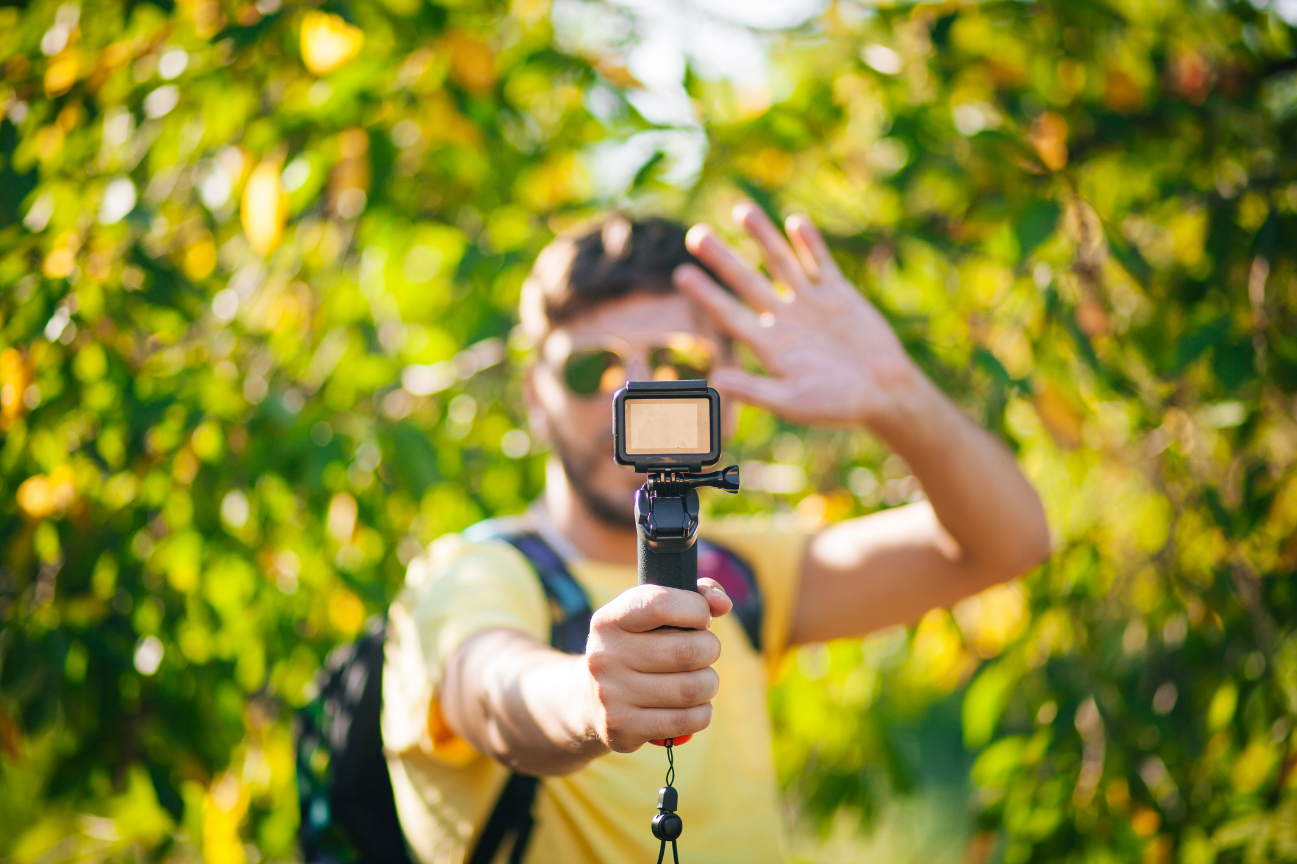
Powerful visuals immediately engage viewers and transport them to the heart of the destination. Use natural lighting to emphasize the beauty around you, and experiment with angles to add interest. Even with affordable gear like smartphones and GoPros, the right equipment and creative angles will help you create standout travel videos.
Edit Your Video for Maximum Impact
Editing shapes the impact of your video. Ensure smooth pacing, use fitting music, and have clear calls-to-action that prompt viewers to book, follow your brand, or sign up for updates. Editing tools like Adobe Premiere Rush or iMovie can help even beginners create professional-looking videos.
Looking for more ways to attract budget-conscious travelers? Explore our guide on How to Attract Budget Travelers Without Compromising Your Brand.
How to Distribute Your Videos to Reach New & Seasoned Travelers
Once you’ve created your videos, it's time to distribute them and reach your audience. Here are some tips on getting your videos seen by both new and seasoned travelers.
Leverage Social Media Platforms
Social media platforms like Instagram, Facebook, and TikTok are ideal for video marketing, as videos are distributed across social platforms, helping you reach a larger audience. Use hashtags, captions, and engagement tactics to target the right viewers, and video ads can amplify your campaign’s reach. Posting stories and reels regularly will keep your brand top-of-mind. Consistency is key to building a loyal following.
Embed Videos on Your Website
Embedding video content on your website enhances user experience by making your pages more engaging and interactive. Videos provide visitors with a clearer, faster understanding of your offerings, helping them make quicker decisions. Additionally, videos improve SEO by increasing time spent on your site, reducing bounce rates, and making your content more likely to appear in search engine results. This boosts conversion rates on landing or tour pages, encouraging more bookings and inquiries.
Incorporate Videos into Email Campaigns
Incorporating engaging video content can trigger wanderlust, increasing open rates and click-through rates by grabbing attention and making emails more engaging. Brands amplify campaigns with video, making content more persuasive and encouraging recipients to click through for testimonials, special offers, or product demos. Videos drive higher engagement and conversions, so keep them short, focused, and aligned with your brand message for maximum impact.
Types of Videos That Attract Travelers
Travel videos highlight key attractions, but there are many different types of videos that appeal to various traveler interests. Here are some formats that work particularly well in travel marketing:
- Destination Overviews: Showcase the top attractions of your destination, from stunning natural landscapes to famous landmarks. Give viewers a taste of what makes your location one-of-a-kind and hard to resist.
- Behind-the-Scenes Tours: Offer an insider’s look at what travelers can expect. Showcase authentic, local experiences that make your tours stand out and feel more personal.
- Customer Testimonials: Let past customers share their unforgettable experiences. Real stories build trust and show potential travelers the value of booking with you.
- Adventure Highlights: Capture the excitement of outdoor activities like kayaking, ziplining, or hiking. Show the thrill and adventure that awaits, motivating travelers to take the plunge.
These video types create a strong emotional connection, drawing viewers in and inspiring them to book their next trip.
Best Practices for Ongoing Video Marketing Success
Video marketing requires continuous effort to stay relevant and effective. To keep your strategy on track and maintain success, follow these best practices for long-term impact.
Engage with Your Audience
Engagement fuels the success of video marketing by turning viewers into active fans who help promote your brand. Responding to comments, liking shares, and encouraging user-generated content strengthen your community and deepen your audience’s connection to your brand.
Stay Updated with Trends
Video marketing is constantly changing, and falling behind on the latest trends could leave your content outdated and ineffective. Staying current with new platforms and emerging technologies, such as 360-degree videos and live streaming, is essential to keep your strategy competitive.
Marketers analyze metrics from travel campaigns to refine their approach and stay ahead. To stay sharp, follow industry blogs, attend webinars, and leverage content creation tools to continuously improve your skills and adapt to the evolving landscape.
Key Takeaways
- Craft compelling scripts, use stunning visuals, and edit for maximum impact to captivate your audience and inspire bookings.
- Leverage social media, embed videos on your website, and incorporate them into email campaigns to reach new and seasoned travelers.
- Engage with your audience, stay updated on video marketing trends, and utilize resources like industry blogs and webinars to keep your strategy fresh and effective.
Frequently Asked Questions
What metrics should I track to measure video marketing success?
Track view count, engagement rate, and conversion rate because these metrics show how well your video is performing and whether it’s reaching its goals. Additionally, monitoring click-through rates, watch time, and bounce rate will help you assess viewer engagement and the impact of your content.
How long should travel marketing videos be to engage viewers?
Keep travel marketing videos 1-2 minutes for social media and landing pages, and up to 3 minutes on YouTube with a strong, engaging story. Influencers narrate journeys via short videos, making them ideal for capturing attention and engaging viewers quickly. Ensure your content is engaging, focused, and visually captivating.
How can I showcase unique experiences through video marketing?
Tell an engaging story with behind-the-scenes tours or testimonials. Showcase unique experiences, use captivating visuals, and add music and a call to action to inspire bookings.

How to Measure Ad Performance Using Facebook Conversion Tracking
This article serves as a comprehensive guide for business owners aiming to improve their Facebook ad performance.
You'll learn to set up and utilize the Facebook Pixel to track conversions—essential for capturing valuable data.
We'll also explore how to define and configure conversion events that align with your specific business goals and provide strategies for launching, monitoring, and analyzing ads to assess their effectiveness.
By applying these insights, you can refine your ad strategies, potentially enhancing your marketing efforts and boosting your return on investment.
This guide offers essential tools for maximizing the benefits of Facebook conversion tracking, giving you clearer insights and greater control over your advertising results.
How To Set Up Facebook Pixel
To effectively measure ad performance using Facebook, start by creating a Facebook Pixel.
This small piece of code will help you track conversions from Facebook ads, optimize ads based on collected data, and build targeted audiences for future ads.
Follow these steps:
- Create a Facebook Pixel: Go to your Facebook Events Manager, click on the Pixels tab, and set up a new Pixel.
- Install the Pixel Helper: A browser extension that helps you verify the Pixel is working correctly.
- Set Up Conversion Tracking: Add the Pixel code to the header of your website or use a tag manager.
- Test and Verify Your Setup: Ensure the Pixel is firing correctly by using the Pixel Helper.
This approach not only streamlines your data analysis but also enhances the relevance of the insights you gather, enabling more strategic marketing decisions and resource allocation.
Facebook Conversions API for More Accurate Tracking
The Facebook Conversions API (CAPI) works in conjunction with the Pixel by sending events directly from your server to Facebook. Unlike browser-based tracking, CAPI isn’t blocked by ad blockers or cookie restrictions, making conversion data more reliable to analyze.
With stronger insights, you can continue to optimize campaigns and recover signals the Pixel may lose. Peek Pro connects with Zapier, making it simple to integrate CAPI and automatically pass booking data for more accurate reporting. Together, Pixel and CAPI provide a fuller picture of your customer journey.
Define and Configure Conversion Events
When considering how to define and configure conversion events for your business, it’s essential to approach this task with the understanding that not all customer actions carry the same value.
Here’s an alternative perspective on optimizing this process:
- Identify Key Conversions: Determine which customer actions are crucial for your business, such as purchases, newsletter sign-ups, or form completions. These should align closely with your business objectives and indicate customer engagement.
- Set Up Conversion Events: After identifying these actions, customize your Facebook Pixel to track them specifically on your website. Modify the Pixel code to activate on pages indicating a conversion, like thank-you or confirmation pages, to collect targeted data for optimizing your ad campaigns.
This approach not only streamlines your data analysis but also enhances the relevance of the insights you gather, enabling more strategic marketing decisions and resource allocation.
Launch and Monitor Your Ads
To ensure the success of your Facebook advertising efforts, it’s crucial to not only launch your campaigns but also continuously monitor their performance.
Here’s how you can effectively manage this process:
- Start Your Campaigns: Initiate your Facebook ad campaigns by setting them live. Ensure that all settings, such as targeting criteria, budget allocations, and ad creatives, are correctly configured according to your strategy. This initial launch is just the beginning of an ongoing process.
- Monitor Performance: Regularly review your ad performance using Facebook's ad management tools, focusing on metrics like reach, engagement, conversion rates, and ROI. This helps determine if your ads are effectively reaching your audience and meeting your goals, such as generating leads or sales.
By consistently tracking these aspects, you can identify which parts of your campaign are performing well and which need adjustment, allowing for timely optimizations to enhance overall effectiveness.
How To Analyze Conversion Data
Analyzing conversion data is a critical step for any marketer looking to evaluate the effectiveness of their advertising campaigns.
By dissecting the actions that users take after interacting with your ads, you gain valuable insights into not only how well your ads are performing but also how they are contributing to your overall business objectives.
Evaluate Conversion Rates
Start by examining the conversion rates. This involves checking the percentage of viewers who take a desired action after seeing your ads.
A higher conversion rate typically indicates effective ad creatives and precise targeting, suggesting your message resonates well with your audience.
Assess Cost Per Conversion
Calculate how much each conversion costs by dividing the total ad spend by the number of conversions.
This metric helps you determine whether the financial investment in your campaigns is yielding sufficient returns.
If the cost per conversion is higher than the value of the conversion, you may need to tweak your ads or targeting to improve efficiency.
Utilize Reporting Tools
Use Facebook’s advanced reporting tools to dig deeper into your campaign performance.
These tools can provide granular insights into various aspects of your ads, such as demographic breakdowns, engagement levels, and conversion paths.
By leveraging this data, you can make informed decisions on how to optimize your campaigns and better align them with your marketing objectives.
Key Facebook Ad Metrics to Track for Evaluating Ad Performance
Tracking the right metrics is essential to measure whether your Facebook ads are truly driving results. By focusing on performance indicators that directly connect ad spend to business outcomes, you can make more informed decisions about where to invest and how to adjust your campaigns.
1. Return on Ad Spend (ROAS)
ROAS tells you how much revenue you generate for every dollar spent on ads. For example, if you spend $100 on ads and bring in $500 worth of bookings, your ROAS is 5. This metric is critical because it reflects overall profitability and helps identify which campaigns deliver the strongest returns.
2. Conversion Rate
Conversion rate shows the percentage of people who actually book after clicking your ad. If 100 people visit your booking page and 10 complete a reservation, your conversion rate is 10%. A higher conversion rate means your ad is reaching the right audience with the right message.
3. Cost Per Conversion (CPC)
This is the cost to secure a single booking or sign-up. If you’re paying $20 per booking on a $100 tour, you’re in a good place; if it’s $80, you may need to rethink targeting or ad creative. Monitoring CPC helps ensure you’re not overspending to win customers.
4. Click-Through Rate (CTR)
CTR measures the percentage of people who click your ad after seeing it. A strong CTR indicates that your ad is effectively grabbing attention and sparking interest. If your CTR is low, it may indicate that your creative isn’t compelling enough or that your audience targeting is off.
5. Engagement Rate
This reflects how users interact with your ads through likes, comments, and shares. For tour operators, high engagement often reflects excitement about the experience. Strong engagement not only boosts awareness but also builds social proof for your brand.
6. Cost Per Thousand Impressions (CPM)
CPM is the cost to show your ad to 1,000 people. It’s less about conversions and more about visibility. It’s especially useful if your goal is to raise awareness about seasonal offers, new tours, or events. By watching CPM, you can determine whether your ads are reaching enough people at a reasonable cost to keep your brand top-of-mind.
Optimize Facebook Ad Based on Insights
To optimize your Facebook ads effectively, you can leverage the insights gained from ongoing data analysis.
This process involves several strategic adjustments that can significantly enhance your ad performance.
Refine Targeting
After reviewing your campaign's performance data, adjust your audience parameters to more precisely target potential customers.
This might include focusing on specific demographics, interests, or behaviors that have shown higher engagement or conversion rates.
By refining your targeting, you ensure that your ads are displayed to users who are more likely to be interested in your offerings.
Adjust Ad Creative and Placement
Modify your ad’s design and its placement across Facebook's advertising spaces to increase visibility and engagement.
This could involve changing visual elements, updating copy, or experimenting with different formats (such as video or carousel ads).
Additionally, consider adjusting the placement to favor spaces where your ads perform best, whether that's in the news feed, on Instagram, or in the sidebar.
Reallocate Budget
Direct your advertising budget towards the campaigns and platforms that yield the best results, whether it’s Facebook or investing in paid search campaigns to complement your organic reach.
By analyzing performance data, you can identify which ads are most effective and allocate more resources to them.
Alternatively, reduce spending on underperforming ads. This strategic reallocation helps maximize your return on investment and ensures that your budget is spent on ads that truly contribute to your business goals.
Pay Attention to Lookalike Audiences
Use booking confirmation events to build Lookalike Audiences of past customers, helping Facebook find new prospects most likely to convert. This expands your reach while keeping targeting precise.
With Meta’s A/B Testing tools, you can evaluate different Lookalike segments and identify which ones deliver the strongest campaign performance.
Keep Testing and Learning
To ensure your Facebook advertising strategy remains effective and up-to-date, it’s crucial to adopt a mindset of continuous improvement.
This involves two key activities:
- A/B Testing: Conduct regular A/B tests on your ads by varying elements such as imagery, copy, call-to-action buttons, and targeting criteria. These tests help identify what works best with your audience, refining your ad strategy for better engagement and conversion rates.
- Stay Updated on Features: Keep up with Facebook’s frequent updates to its advertising platform. Staying informed about new tools and features, like targeting options, ad formats, or analytics tools, enhances your campaigns and gives you a competitive edge in reaching and engaging your audience.
Learn about measuring ad effectiveness on different social media by checking out our guide on TikTok ad metrics. This comparison can broaden your digital marketing skills and help you leverage cross-platform insights.
Integrating Facebook Conversion Tracking with an Online Booking System
Integrating Facebook Conversion Tracking with your online booking system is a strategic move that can significantly enhance your marketing efforts.
This integration provides a seamless method for tracking the entire customer journey—from the initial ad click-through to the final booking. It also helps identify which types of bookings come directly from ads, allowing you to refine your targeting and improve attribution across multiple channels.
Here’s how this can benefit your business:
- Complete Visibility: Integrating Facebook Conversion Tracking with an online booking system provides full visibility into your ad effectiveness, showing not only who clicks but also who books, clarifying the impact of your ads on real business results.
- Enhanced Understanding of Customer Behavior: This integration tracks customer actions on your booking platform post-ad interaction, helping you identify the most effective ads for driving bookings and understanding customer behaviors and preferences.
- Optimized Marketing Spend: Detailed data on which ads result in bookings allows for more efficient budget allocation, focusing spending on high-performing ads and adjusting or discontinuing weaker ones to maximize ROI.
Overall, integrating Facebook Conversion Tracking with your online booking system enables a more data-driven marketing approach, optimizing your ad campaigns to directly support your business goals.
Explore our comprehensive overview of recreational equipment rental KPIs to see how these metrics can provide additional insights into business performance and customer behavior.
Common Conversion Tracking Issues (and How to Fix Them)
Even the best setups run into hiccups. Here are a few frequent ones:
- Pixel not firing: Use the Facebook Pixel Helper extension to quickly confirm if your pixel code is working on the page.
- Conversion events not appearing: Double-check your event setup in Events Manager and review the attribution window you’ve selected.
- CAPI failing to send data: Verify that your access token is valid and that your partner connection (like Zapier) is active.
Peek’s Google Tag Manager integration helps prevent many of these issues by centralizing all your tracking tags in one place. Instead of juggling code changes, you can quickly set up and manage pixels, test events, and keep your booking confirmation page firing correctly, all without needing developer support.
If you’re unsure about your configuration or want confidence before scaling ads, book a demo with Peek Pro to get expert support and ensure accurate tracking.
Key Takeaways
- Facebook Pixel is essential: Using the Facebook Pixel is crucial for accurately tracking your ads' effectiveness. It monitors user interactions on your website post-ad view, providing key data for optimization.
- Configuring conversion events is crucial: It's vital to customize conversion events to match your business goals. This ensures you're tracking the most relevant actions for precise analysis.
- Regular analysis and adjustment improve performance: Continually analyzing and adjusting based on your ad data enhances your ads' performance. This ongoing refinement process boosts overall ad effectiveness.
Frequently Asked Questions
How Accurate is Facebook Conversion Tracking in Measuring Ad Performance?
Facebook Conversion Tracking is generally very accurate, utilizing advanced algorithms to track user interactions with ads across multiple devices and platforms. However, accuracy can be affected by user privacy settings and the correct installation of the Pixel.
Can You Integrate Facebook Conversion Tracking with CRM Systems?
Yes, Facebook Conversion Tracking can be integrated with various CRM systems. This integration allows for a more detailed analysis of how Facebook ads lead to conversions and enhances lead management and segmentation.
Can Facebook Conversion Tracking Reduce Your Cost Per Acquisition?
Yes, by providing detailed data on which elements of your campaigns are most effective, Facebook Conversion Tracking can help you optimize your ad spend and lower your cost per acquisition by targeting and refining your ad strategies more effectively.


